Choosing the Best Puddlesuit for Nursery
The best puddlesuit for nursery is the one your little explorer can wear without a fuss at 8am, move freely in on the playground and come home dry after an enthusiastic encounter with the biggest puddle in the garden. Nursery weather is rarely predictable, and neither is nursery play. A good puddlesuit makes getting outside feel simple, whether the day brings drizzle, mud, wet grass or all three before lunch.
For parents, it is about reliable protection and fewer soggy clothes in the wash basket. For children, it is about freedom: sitting on damp logs, crawling through leaves and splashing without being told to stay clean. Here is what to look for when choosing a nursery-ready puddlesuit that is made for fun in all weathers.
What Makes the Best Puddlesuit for Nursery?
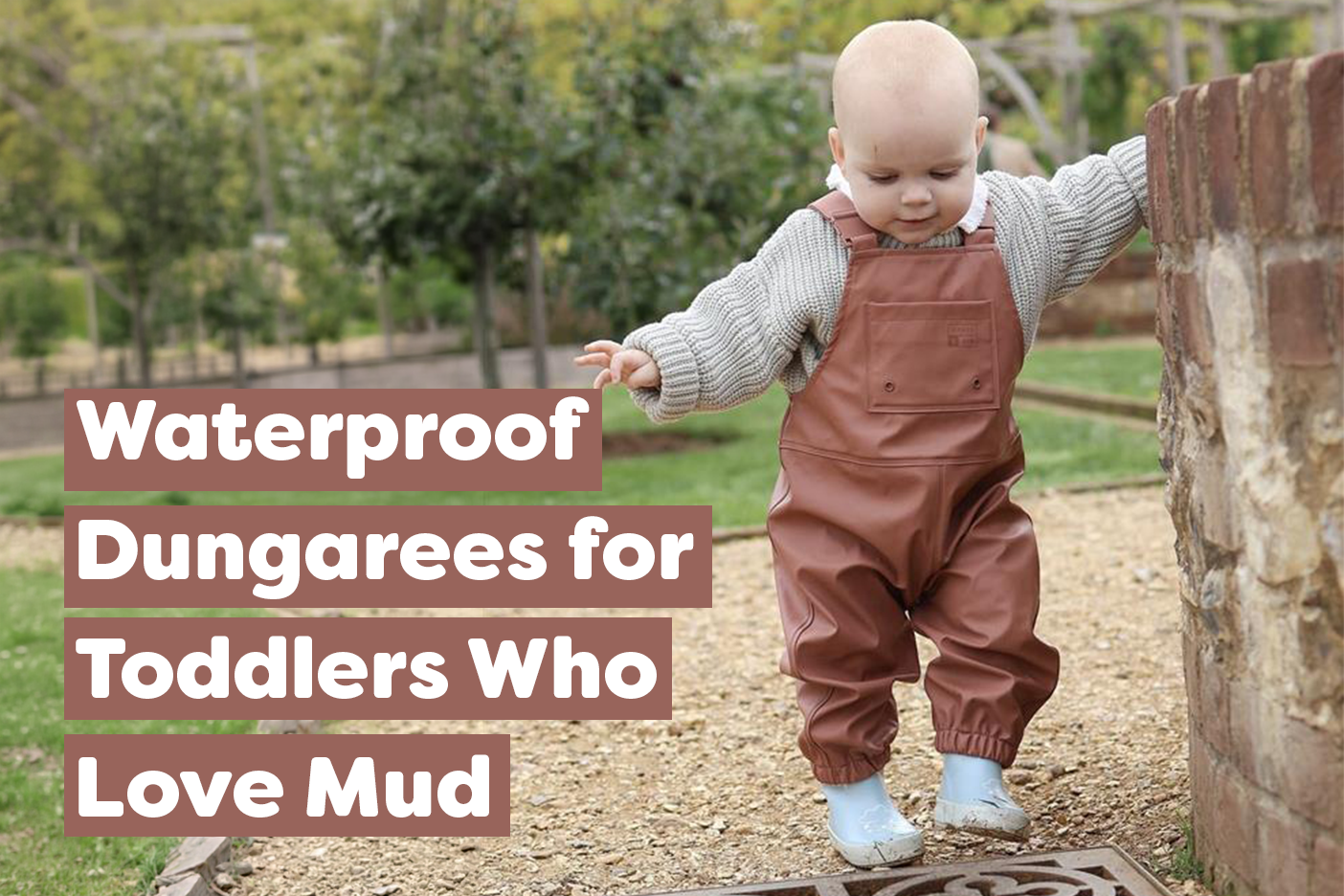
A puddlesuit is a one-piece waterproof outer layer, designed to cover a child from shoulders to ankles. Unlike a separate waterproof jacket and trousers, there is no gap at the waist for rain or mud to sneak through. That extra coverage is particularly helpful for toddlers who are happiest sitting, squatting and exploring close to the ground.
The best choice depends on your child, their nursery routine and the season. A child who walks to nursery in winter may need room for warm layers underneath. A busy two-year-old who spends every outdoor session on their knees may benefit most from generous coverage and a fit that does not pull across the back. If nursery asks for waterproofs to stay on their peg all week, easy dressing matters just as much as how lovely the print looks.
Waterproof fabric that can handle real play
Look for a puddlesuit made with properly waterproof material rather than a water-resistant finish. Water-resistant clothing can cope with a short dash through a light shower, but it may not stand up to wet slides, muddy puddles and a long outdoor session after rain.
Taped seams are a useful feature to seek out. Seams are where separate pieces of fabric are stitched together, creating tiny routes for water if they are not sealed. Taped seams add protection where it counts, helping to keep clothes underneath dry during proper puddle jumping.
A waterproof outer should also be easy to wipe clean. Nursery life can involve mud, paint, snack crumbs and the occasional mystery mark, so a quick rinse or wipe after pick-up can make the next morning much calmer. Follow the care label when washing, as high heat and fabric conditioner can affect waterproof finishes over time.
A comfortable fit with room to move
A puddlesuit should feel roomy enough for running, climbing and sitting down, but not so oversized that sleeves cover little hands or trouser legs trail under wellies. The right fit lets children lift their arms, bend their knees and get on with the serious business of investigating worms.
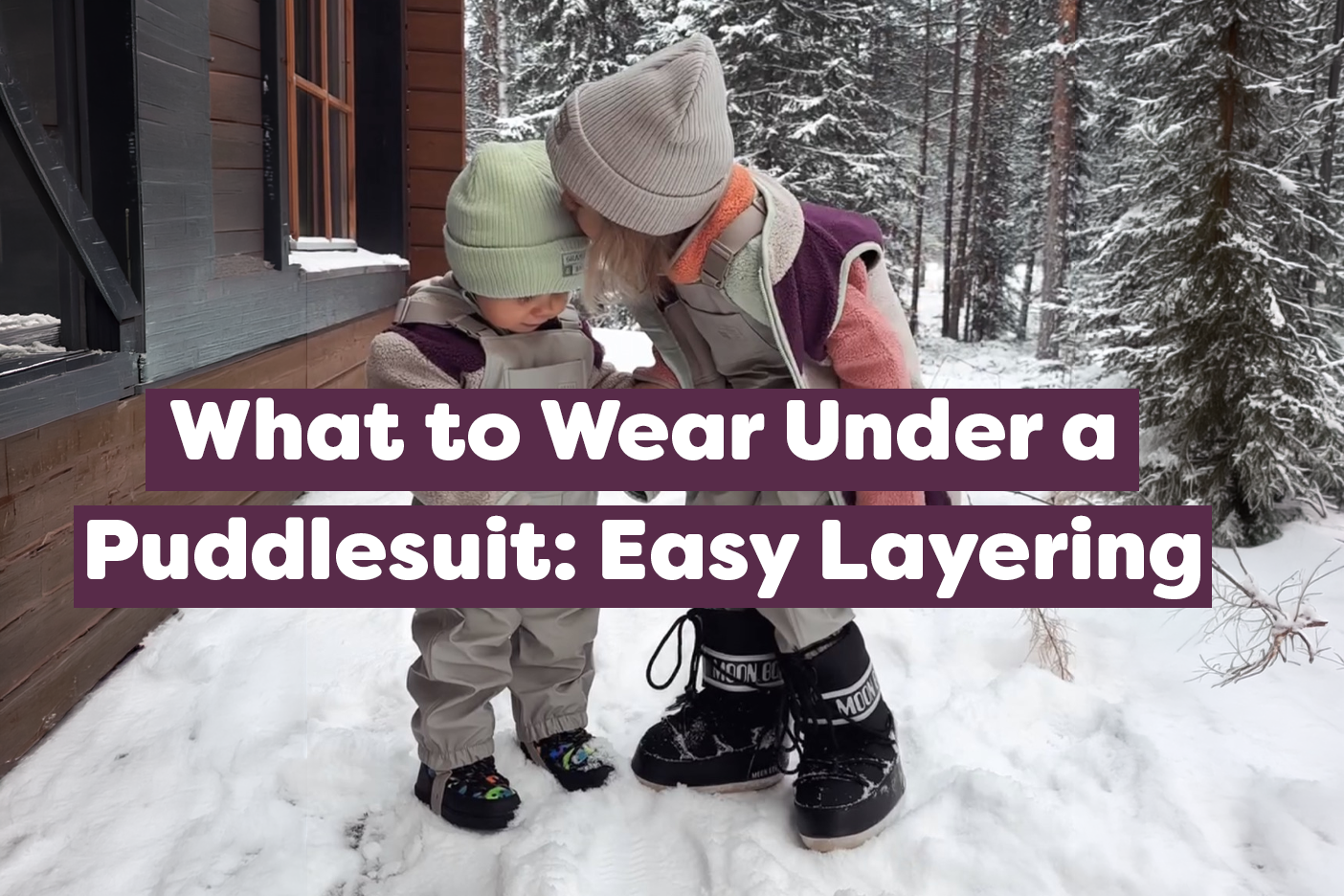
Check there is space for the layers your child will wear most often. In mild weather, a T-shirt and leggings may be enough underneath. On chilly nursery mornings, a fleece or warm sweatshirt can make all the difference. If you are buying for autumn or winter, allow for that extra layer without sizing up so far that the suit becomes cumbersome.
Elasticated cuffs and ankles help hold the suit in place while keeping draughts, mud and drips at bay. Some styles include foot straps that sit beneath wellies. These can be particularly handy for energetic children because they stop trouser legs riding up when little legs are on the move.
Easy zips make busy mornings easier
There is no point in a brilliantly waterproof puddlesuit if it takes ten minutes to put on. A long, smooth zip makes a big difference at the nursery gate, especially when your child is beginning to practise dressing independently.
A zip guard at the neck is a thoughtful detail, helping to protect delicate skin from catching. Easy-to-grab zip pulls are useful for small hands and for adults wearing gloves on frosty drop-offs. If your child is still in nappies, consider how easily the suit can be opened for a speedy change. One-piece designs offer brilliant coverage, but a straightforward zip is essential when time is not on your side.
Choose a Nursery Puddlesuit for the Season
One puddlesuit can work across much of the year when you adjust the layers underneath. That flexibility is part of its magic. Still, it is worth thinking about the weather your family faces most often.
For spring showers and warmer rainy days, a lightweight unlined puddlesuit is usually the most versatile option. It blocks wind and rain without adding unnecessary bulk, and your child can wear lighter clothes beneath it. It is also easy to pack into a nursery bag for a forecast that cannot make up its mind.
For colder months, an unlined suit can still work beautifully with a fleece, jumper and warm socks. This approach gives you more control over warmth, particularly when a frosty morning turns into a mild afternoon. A fleece-lined puddlesuit may suit children who feel the cold or spend lots of time outdoors in late autumn and winter. The trade-off is that it can be too warm once temperatures rise, so it is less of an all-year option.
Breathability matters, too. Children warm up quickly when they are charging around the playground, even on grey days. A comfortable puddlesuit should protect against rain without feeling stiff, heavy or sweaty during active play. The best option is not always the thickest one - it is the one that works with your child’s usual layers and energy levels.
Look for Details That Nursery Staff Will Appreciate
Nursery teams help lots of children into outdoor clothing, often in a very small window before everyone heads outside. Simple, practical features are kind to staff as well as parents.
A name label is essential. Outdoor gear has a habit of looking remarkably similar on a crowded peg rail, especially after a muddy afternoon. Add your child’s name clearly before the first day, and check it remains readable after washing.
Bright colours and playful prints have a practical side, too. They make a child easier to spot in a busy outdoor space, while giving little ones a say in what they wear. When a child loves their waterproofs, they are often far more willing to put them on. A colour-changing detail can make a rainy walk feel like a tiny science experiment, turning wet weather into part of the adventure.
Think about storage as well. A puddlesuit that is lightweight enough to fold into a nursery bag is useful if the setting does not have much space. If it will live at nursery, ask whether they prefer outdoor suits to be left there and whether they have a drying area. A spare pair of clothes is always sensible, but good waterproofs should mean they are needed less often.
Pair It With the Right Nursery Kit
A puddlesuit does its best work as part of a small, dependable outdoor kit. Wellies are the natural partner for wet days, ideally with warm socks when the temperature drops. Make sure the top of the boot sits comfortably beneath the trouser cuff, so rain cannot run into the wellies when your child is stomping through deep puddles.
On colder days, add a fleece layer under the puddlesuit and choose a warm hat that stays put during outdoor play. In milder weather, keep layers light so your child does not overheat. A compact spare outfit in their nursery bag gives everyone peace of mind, especially during toilet training or after a particularly ambitious mud kitchen session.
Grass & Air puddlesuits are designed with these everyday adventures in mind: colourful outerwear that helps children feel ready for rain, rather than held back by it. The goal is not to keep every speck of mud away. It is to make outdoor play comfortable enough that the mud is simply evidence of a very good day.
When Is It Time to Replace a Puddlesuit?
Check the fit at the start of each season and after a growth spurt. Sleeves that stop well above the wrist, ankles that ride up over wellies or a zip that strains when your child sits down all suggest it is time to size up. Waterproof protection also needs occasional attention. If water stops beading on the surface, wash the suit according to its care instructions and consider a suitable reproofing treatment if recommended by the manufacturer.
Small scuffs are part of an outdoor childhood and do not automatically mean a puddlesuit has reached the end of its life. But tears, broken zips or leaking seams can turn a puddle adventure into a cold, uncomfortable afternoon. A well-fitting, well-cared-for suit can often be passed on to another little explorer once its first wearer has outgrown it.
The right nursery puddlesuit earns its place by making the everyday easier: less hesitation at the door, fewer wet socks and more confidence for children to follow the rain outside. Pack it, name it, pop on the wellies and let nursery’s next puddle be the start of the day’s best story.