Colour Changing Wellies for Kids for Every Puddle

A grey nursery morning feels very different when the walk through the gate includes a pavement puddle waiting to be stamped in. Colour changing wellies for kids turn a practical pair of rain boots into part of the adventure: one splash of water, a bright pattern appears, and suddenly getting ready is far less of a negotiation.
For parents, the magic is only worthwhile if the wellies can keep up. The right pair needs to be waterproof, comfortable for busy feet and easy enough for children to pull on before a garden expedition, school run or muddy woodland wander. Here is what makes colour-changing wellies such a brilliant all-weather essential, and how to choose a pair little explorers will happily wear.
Why colour changing wellies for kids make rainy days brighter
The colour-changing effect is wonderfully simple. When water touches the outer finish, hidden details or patterns reveal themselves. Once the wellies dry, the colour fades back, ready for the next puddle. It gives children something to notice in the rain, rather than another reason to rush through it.
That small moment can make a real difference. Toddlers who are unsure about wet grass may be tempted outdoors to see their boots change. Older children can turn the school run into a mission to spot the biggest puddle. For families, it is a useful reminder that rainy days need not put play on pause.
Of course, changing colour is a playful extra, not a substitute for a well-made welly. A great pair should still offer dependable waterproof protection, a sole with good grip and enough room for socks without feeling loose. The best designs bring those essentials together, so children get the excitement and parents get the reassurance.
Choosing the right pair for little explorers
Wellies are often worn for longer than expected. What begins as a quick dash to nursery can become a puddle detour, and a weekend dog walk can turn into an hour of den building. Fit and comfort matter just as much as the design.
Start with a comfortable fit
A well-fitting welly should feel secure around the heel while leaving space at the toes for a natural wiggle. If toes are pressed against the front, feet can become uncomfortable quickly, especially on longer walks. If the boot is too roomy, it may rub, slip at the heel or make running feel clumsy.
Try wellies with the socks your child is most likely to wear. A standard pair of cotton socks may be enough for mild, wet days, while thicker welly socks take up more room in colder weather. It is tempting to size up generously for growing feet, but too much spare space can make a sturdy boot harder to walk in. A little growing room is sensible; a boot that flops around is not.
Children also benefit from an easy pull-on shape. Independent dressing is a big deal at nursery and school, and a boot that is simple to get on can help mornings run more smoothly. Look for a shaft that is roomy enough for little hands and legs, without being so wide that water and mud can tumble straight in.
Think about the season, not just the forecast
Classic waterproof wellies are a brilliant choice for changeable spring showers, damp autumn mornings and messy garden play. In winter, warmth becomes more important. Fleece-lined wellies can feel cosy from the first step outside and are particularly handy for chilly playgrounds, frosty walks and long afternoons at the park.
There is a trade-off. Fleece-lined pairs are warmer, but may be too cosy for a mild, wet summer day. Standard wellies paired with a breathable sock offer more flexibility across the year. For families who spend lots of time outside through colder months, having one lightweight waterproof pair and one warmer pair can make getting dressed for the weather much simpler.
Look beneath the bright colours
A joyful pattern catches the eye, but the sole does the hard work. Deep tread helps children feel steadier on wet paths, muddy fields and slippery leaves. No welly can make every surface risk-free, so little ones still need reminding to walk carefully on stones, tree roots and very smooth wet paving. Good grip simply gives them a stronger footing for everyday adventures.
It is also worth checking the upper is fully waterproof and that the construction feels flexible enough for running, squatting and climbing. Stiff boots can be tiring for children who like to move at top speed. The right pair should support puddle jumps without holding back the rest of the play.
Making wellies part of the everyday kit
The most useful wellies are the ones that are ready when weather changes its mind. Keep them by the door, in a nursery bag or in the car boot for those surprise showers that arrive five minutes before the playground. If children can spot their favourite bright pair easily, they are more likely to put them on without prompting.
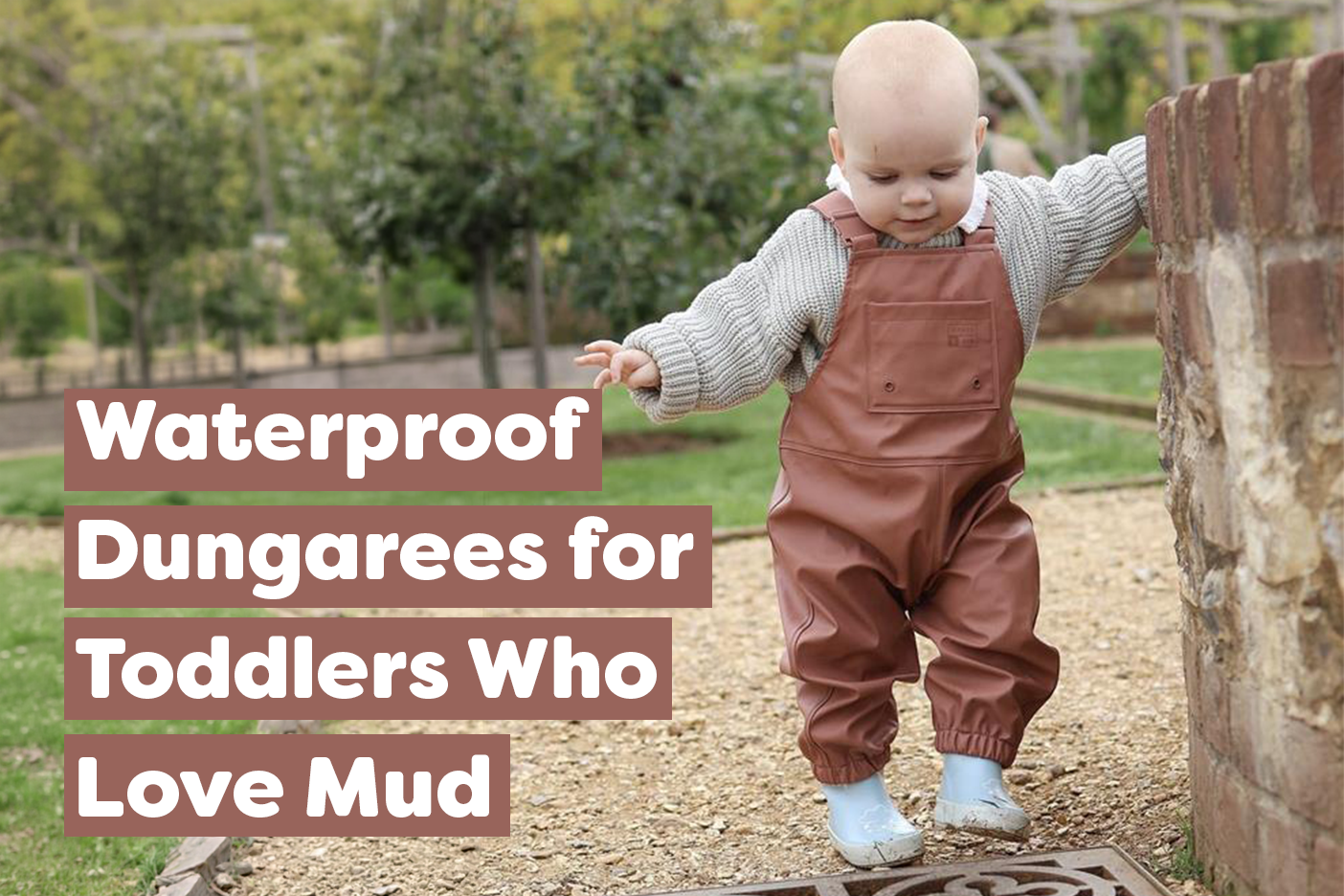
For nursery, pair wellies with waterproof dungarees or a puddlesuit when outdoor play is likely to be muddy. This gives children freedom to kneel, dig and sit on damp ground without a full outfit change afterwards. On a rainy school run, a raincoat and wellies may be all that is needed. The aim is not to overdress for every cloud, but to make it easy to add protection when play calls for it.
Wellies are not only for heavy rain, either. They are ideal for collecting conkers, helping in the garden, beach rockpooling when the sand is wet, and family festivals where grass may turn muddy by lunchtime. Their waterproof finish gives children permission to explore the bits of the outdoors that ordinary shoes would rather avoid.
At Grass & Air, colour-changing designs are made for exactly these moments: practical weather protection that gives children one more reason to be excited about stepping outside.
How to care for colour-changing wellies
A little care keeps wellies ready for their next adventure. After muddy play, rinse off loose dirt with cool or lukewarm water and wipe with a soft cloth. Harsh cleaners, strong chemicals and rough scrubbing can affect the finish, so gentle cleaning is best.
Let boots dry naturally in an airy spot, away from radiators, fireplaces and direct heat. High heat can dry out or distort the material, while leaving damp wellies in a dark cupboard can lead to unpleasant smells. If the inside is wet, remove any socks, stand the boots upside down if possible and give them time to dry fully before the next outing.
The colour-changing effect is designed to respond to water, but it may look different in different conditions. Cold rain, warm water, bright daylight and a muddy puddle can all change how dramatic the pattern appears. That is part of the fun - every wet-weather walk has its own little reveal.
Before putting wellies away for a season, clean and dry them thoroughly. Store them upright somewhere cool and dry, out of prolonged direct sunlight. A quick check before the next rainy spell will help you spot whether growing feet need a new size.
When wellies are not the right shoe
Wellies are made for wet, muddy and splashy places, but they are not always the best choice for every outing. For long dry walks, trainers or walking shoes can offer more breathability and support. On hot days, feet may become warm in waterproof boots, even with thin socks. And for deep water, wellies only protect as far as the top - one enthusiastic step too far can still mean soggy socks.
That does not make them less useful. It simply means choosing footwear to suit the adventure. Keep wellies for days when wet grass, puddles and mud are part of the plan, and let children enjoy the freedom they bring.
The next time rain starts tapping at the window, leave a pair of colour-changing wellies by the door. A puddle is not just a puddle when it can reveal a burst of colour - it is an invitation to head outside and see what happens.