How to Layer Children for Winter Adventures
A frosty school run can begin with icy pavements, turn into a muddy playground at break time and end with a drizzly walk home. Knowing how to layer children for winter means they can take on every part of the day in comfort, without feeling bulky, sweaty or restricted when adventure calls.
The aim is not to pile on as many clothes as possible. It is to create a flexible little outfit that traps warmth, manages moisture and keeps wind and rain on the outside where they belong. With a few dependable layers, getting out of the door becomes less of a daily negotiation and more of a launch into Grass & Air world.
How to layer children for winter
A simple three-layer approach works brilliantly for most babies, toddlers and children. Start with a soft base layer next to the skin, add warmth in the middle, then finish with a weatherproof outer layer. Each piece has a job to do, and together they make it easier to adjust for nursery drop-off, woodland walks, garden digging and puddle jumping.
Children heat up quickly when they run, climb and race about, then cool down just as quickly when they stop for a snack or wait for the buggy. Layers give you options. A child who is getting warm can take off a fleece; a chilly child can pop it back on before their fingers turn cold.
Start with a breathable base layer
The base layer sits closest to the skin, so comfort matters most. Choose a long-sleeved cotton top, leggings, tights or a thermal set that feels soft and allows children to move freely. For an active day outdoors, moisture-wicking fabrics can be particularly helpful because they move sweat away from the skin rather than leaving a child feeling damp and chilly.
Avoid starting with anything scratchy, stiff or too tight. If the first layer is uncomfortable, even the brightest raincoat will not win the argument. For babies in prams, a bodysuit and soft leggings are a cosy foundation, with enough room for an extra layer when temperatures dip.
One useful rule is to check the forecast, but also think about the plan. A child walking to school and charging around the playground needs less underneath than a baby snoozing in a pushchair. Pram blankets are useful, but they should never replace properly fitted clothing, especially when getting in and out of warmer indoor spaces.
Add warmth without the bulk
The middle layer is your warmth maker. A fleece, sweatshirt or knitted jumper traps warm air close to the body while keeping arms free for climbing frames, sticks and very important treasure collections. Fleece is a brilliant winter choice because it is light, soft and quick to dry after a surprise shower.
For milder winter days, a single fleece over a long-sleeved top may be plenty beneath waterproofs. On properly cold days, a thin thermal layer plus a fleece offers more warmth without making a child feel like a tiny snowman. Thick jumpers can work for quieter outings, but they may become uncomfortable under a fitted puddlesuit or raincoat.
Grass & Air puddlesuits are water and wind resistant, not waterproof, and do not have taped seams. Their level of protection differs from fully waterproof clothing.
Look for layers that children can put on and take off with a little help. Easy zips, roomy sleeves and soft necklines are small details that make a big difference at nursery, where coats and jumpers need to work for busy little explorers as well as grown-ups.
Finish with a waterproof outer layer
The outer layer protects the cosy work happening underneath. In wet or windy weather, choose a waterproof raincoat or a water and wind resistant puddlesuit that has room for a fleece but is not so oversized that cuffs drag through puddles or sleeves get caught on equipment.
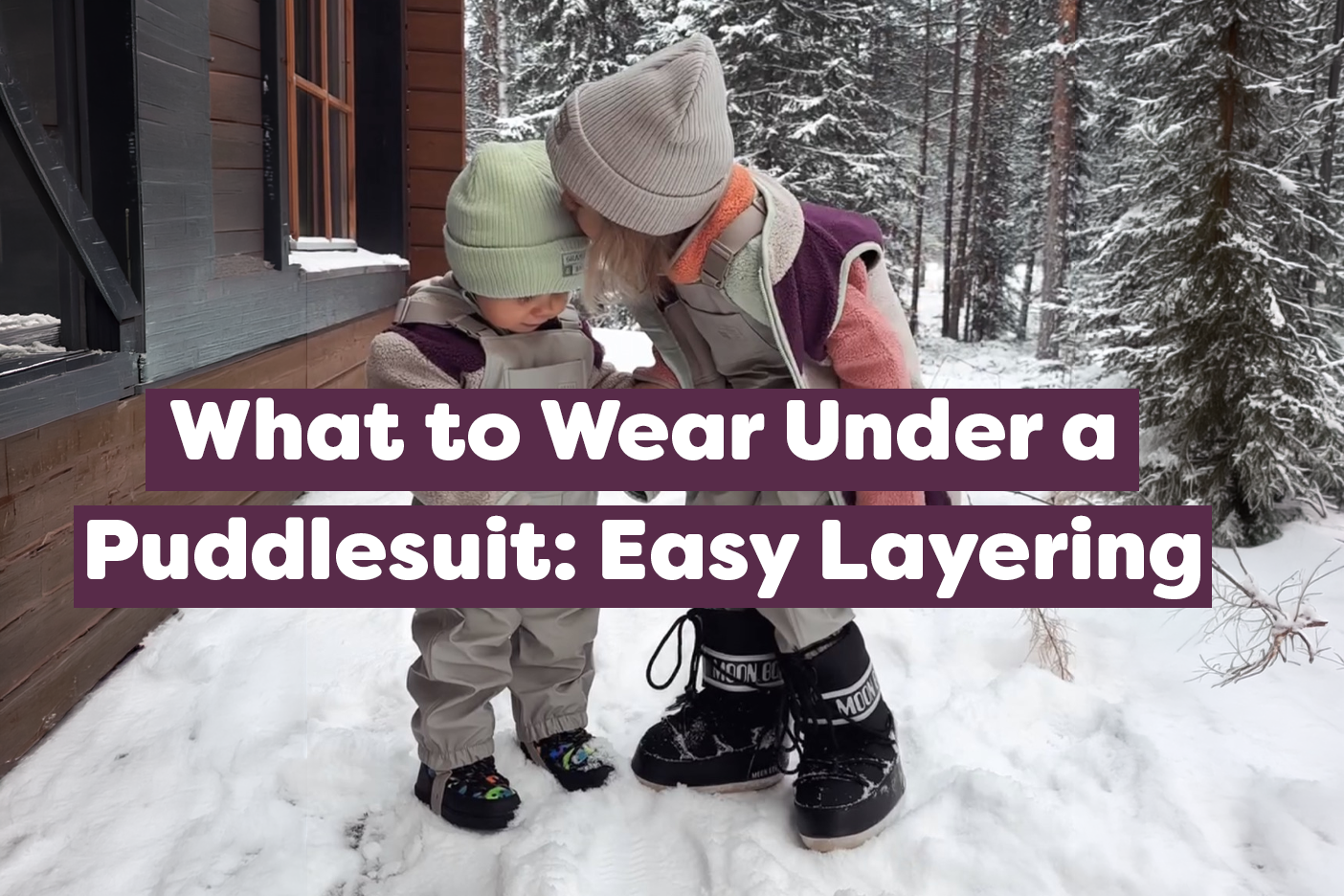
A puddlesuit is especially handy for toddlers who tend to sit, kneel and slide straight into the action. It provides all-over coverage for muddy garden missions and rainy nursery days, while waterproof dungarees are a practical option when a child needs their jacket separate for indoor transitions. For older children, a waterproof coat paired with trousers or dungarees gives the same freedom to stomp, scramble and explore.
Waterproof does not have to mean wrapped up too tightly. If it is dry but bitterly cold, a warmer coat may be more suitable than a lightweight shell. If rain is expected and children will be active, a waterproof outer layer over breathable clothing is often the better choice. The right combination depends on the weather, how long you will be outside and how much running about is on the agenda.
Do not forget feet, hands and heads
Warm layers are only half the story when cold toes or wet socks can end an outing early. Footwear should match the conditions, not just the temperature. On wet, muddy days, wellies with cosy welly socks create a comfortable, puddle-ready pairing. Fleece-lined wellies can be a lovely choice for chilly walks, but make sure there is enough room for toes to wiggle. Tight footwear makes feet feel colder, not warmer.
For dry, frosty days, insulated boots with grippy soles can offer more warmth and support. Whichever footwear you choose, pack spare socks for nursery or a long day out. A puddle can appear very inviting, and wet socks are rarely part of anyone's grand adventure plan.
A warm hat helps protect little ears from wind, while gloves or mittens keep hands ready for collecting leaves, holding scooter handles and making snowballs. Mittens are usually warmer for younger children because fingers share their warmth, although gloves can be easier for children who want to manage zips and snack wrappers independently. A neck warmer can be useful in cold wind, but avoid loose scarves for active play or when children are using playground equipment.
Make winter dressing easier on busy mornings
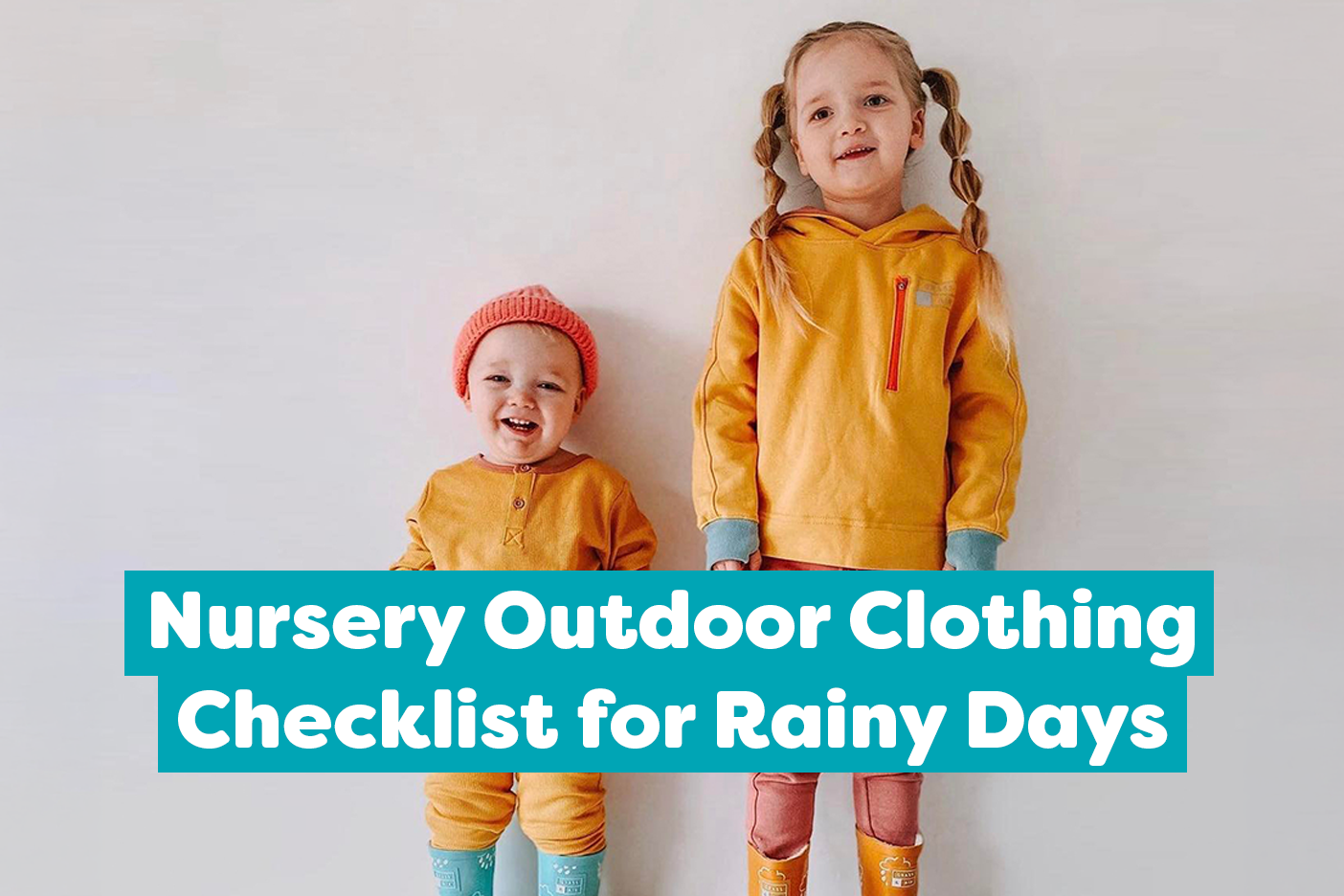
The best winter layers are the ones your child is happy to wear. Letting them choose between two cheerful fleeces, a favourite colour raincoat or their brightest wellies can turn getting dressed into part of the fun. Bold colours are not just joyful on grey days either - they make it easier to spot your little explorer on the school run or in a busy park.
Keep a small ready-to-go winter kit by the door: outerwear, wellies, hat and gloves, plus a spare pair of socks. This saves hunting for a missing mitten five minutes before you need to leave. At nursery, label every removable layer clearly. Fleeces, hats and waterproofs have a remarkable talent for setting off on their own adventures.
It also helps to teach children a simple check before they head outside: is my tummy covered, are my feet dry, can I move my arms, and do I have my hat? They will not get it perfect every time, but building those habits supports growing independence and helps them recognise when they are too warm or beginning to feel chilly.
Know when to remove a layer
Overheating is just as uncomfortable as being cold. Watch for flushed cheeks, damp hair, complaints that they are hot, or a child suddenly refusing to keep their coat on. If they have been running hard, pause somewhere sheltered and remove the middle layer before they become sweaty. Put it back on when activity slows down.
As a quick comfort check, feel the back of your child's neck or chest rather than relying on cold hands alone. Their hands can feel cool in winter while the rest of their body is perfectly comfortable. If their neck is sweaty, they probably need less. If it feels cool and they seem quiet, shivery or uncomfortable, add a layer and head somewhere warm if needed.
Winter play is more fun when children can forget about the weather and focus on the next puddle, hill or hidden trail. Build their outfit in easy layers, keep a spare pair of socks close by, and let the forecast become an invitation to get outside.