Fleece Lined Versus Regular Wellies: Which?
The puddle looks exactly the same on an October nursery run as it does in April. For little feet, though, the difference between fleece lined versus regular wellies can be huge. One pair can make a frosty garden expedition feel cosy; the other may be the better choice when a surprise shower arrives on a mild day.
The best wellies are the ones children are happy to pull on and run in. Choosing between fleece-lined and regular styles comes down to the weather, how long they will be worn and how quickly your little explorer tends to warm up once play begins.
Fleece lined versus regular wellies at a glance
Regular wellies are waterproof boots with an unlined interior, designed for reliable rainy-day protection with room to adapt the warmth underneath. Fleece-lined wellies add a soft, insulating layer inside the boot, bringing extra cosiness when temperatures dip.
Neither option is simply better. A fleece lining is brilliant for cold, damp mornings, but can feel too warm during energetic play in milder weather. Regular wellies are wonderfully versatile across the seasons, although children may need a pair of welly socks when the ground is chilly.
Think about the kind of outdoor moments your family has most often. Is it a brisk walk to school, a muddy woodland adventure or a warm, wet afternoon spent racing round the garden? The answer will point you towards the pair that gets the most wear.
When fleece-lined wellies earn their place
Fleece-lined wellies are made for those colder days when rain comes with a nip in the air. The soft lining gives children a warmer, more comfortable start before they have even found the first puddle. It is particularly handy for nursery drop-offs, weekend walks, bonfire-night adventures and winter holidays in the countryside.
Cosy comfort for cold-weather play
Children do not always tell us their feet are getting cold until they are ready to head indoors. A fleece lining helps create a warmer layer around their feet from the start, so there is less chance that a muddy walk ends early because toes feel chilly.
This can be especially useful for younger children who spend time sitting, squatting and investigating the world at ground level. Searching for worms, building a mud café or watching a digger at the building site can involve plenty of still moments between bursts of running about.
The lining also makes a welly feel softer to wear. For children who are new to boots, or who need a little encouragement to swap trainers for rainy-day footwear, that cosy feel can make getting ready less of a battle.
Less layering to think about
On a cold morning, fleece-lined wellies save one small decision. Rather than finding thick socks before everyone leaves the house, the warmth is already built in. They are a helpful grab-and-go option for busy families, especially when the weather changes halfway through breakfast.
That does not mean socks are unnecessary. A comfortable everyday sock helps feet feel fresh and makes boots easier to put on and take off. The key is to avoid adding very thick socks to a fleece-lined pair unless there is enough room, as a tight fit can make feet colder rather than warmer.
The trade-off: warmth can become too much
Fleece is cosy, but energetic children generate plenty of warmth. On a mild, rainy day, a lined boot may feel a little too snug after an hour of chasing friends, climbing logs or splashing through every puddle in sight.
They can also take longer to dry if moisture gets inside after a particularly adventurous outing. Let boots air dry naturally in a warm, ventilated spot, rather than placing them directly against a radiator. That helps keep the materials in good shape for the next wet-weather mission.
Why regular wellies work all year round
Regular wellies are a flexible family favourite because they can suit so many seasons. Their waterproof outer keeps rain and mud where it belongs - outside the boot - while the unlined interior gives parents more control over how warm the boot feels.
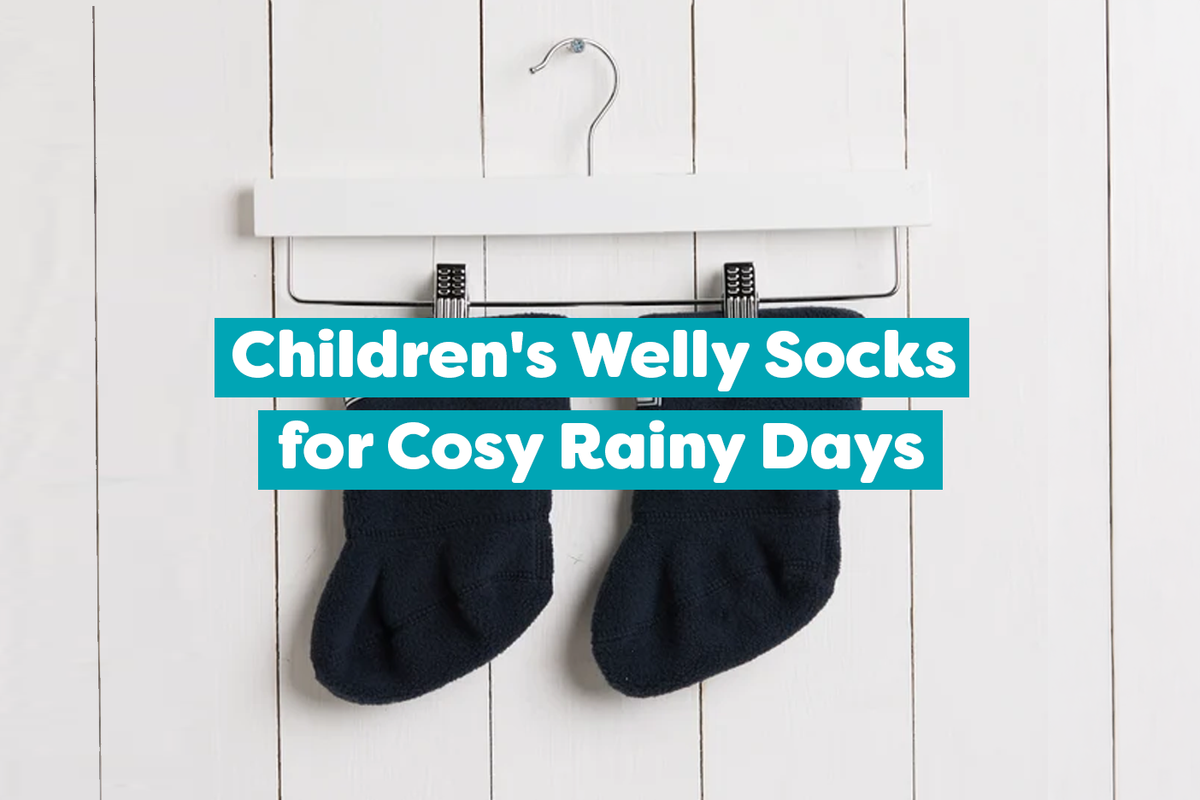
In spring and autumn, a normal cotton sock may be all a child needs. When the weather turns colder, adding a welly sock creates a warmer combination without buying a different boot for every temperature. On warmer rainy days, a lighter sock helps keep the experience comfortable.
A lighter choice for active feet
For children who are constantly on the move, regular wellies often feel fresher. There is more airflow around the foot than in a fleece-lined style, which can be welcome during busy nursery play, rainy sports days or a damp but mild family walk.
They are also a sensible option for the unpredictable British weather. One morning may begin with frost on the car and finish with bright sunshine. With regular wellies, it is easy to change the sock layer to match the day without changing the footwear plan.
More room to adapt with welly socks
Welly socks are a useful way to make regular wellies work harder. They can add comfort, warmth and a little extra cushioning, while giving children a chance to choose a colour or pattern they love. For families managing hand-me-downs or siblings with different preferences, that flexibility is useful too.
It is worth remembering that regular wellies are not automatically cold. The right socks, movement and a well-fitting boot make a real difference. For a quick rainy dash, a garden potter or a mild wet day, unlined wellies may be exactly what is needed.
How to choose the right pair for your child
Start with the temperature, but do not stop there. Consider how long the boots will be on, whether your child tends to feel hot or cold, and how much running, climbing and puddle jumping is likely to happen.
A child who walks to nursery on a cold morning and spends lots of time outdoors may benefit from fleece-lined wellies through winter. A child who needs boots for year-round school bag duty, wet play and spontaneous garden adventures may get more use from regular wellies with seasonal socks.
Fit matters just as much as lining. Wellies should be easy enough for children to pull on independently, with room to wiggle toes and wear socks, but not so loose that feet slide about. Ask your child to walk around indoors before heading out. If they are tripping, shuffling or complaining of rubbing, try a different size or sock thickness.
The boot should also suit real family life. Bright colours and playful details can turn putting on rainwear into part of the adventure. Grass & Air colour-changing wellies make rainy weather feel like a small piece of outdoor magic, giving children another reason to look for puddles rather than avoid them.
A simple seasonal way to decide
Fleece-lined wellies tend to shine from late autumn through winter, when cold ground and chilly rain are part of the daily forecast. Regular wellies are often the most adaptable choice for spring showers, changeable autumn days and warmer wet weather.
But weather is not a rulebook. A cold child on a breezy March morning may love a fleece lining, while a child who runs everywhere might prefer regular wellies in December with warm socks. Notice what they reach for, how their feet feel after being outside and whether they can move freely. Those small clues are more useful than the calendar.
The aim is not to keep children perfectly pristine - mud on the knees and a leaf in a pocket are usually signs of a day well spent. Choose the wellies that let them stay comfortable long enough to follow the next puddle, path or patch of grass wherever it leads.