Children's Welly Socks for Cosy Rainy Days
A good puddle can turn an ordinary walk home from nursery into the day’s biggest adventure. But when little toes are cold, damp or rubbing inside their boots, the magic wears off quickly. Children’s welly socks help make wellies feel warmer, softer and far more comfortable - so little explorers can keep splashing, stomping and searching for worms when the weather changes.
They may look like a small addition to a rainy-day kit, but the right socks make a real difference. They create a cosy layer between feet and rubber boots, help wellies fit more comfortably and are easy to pull on before a garden mission, woodland walk or wet school run.
Why children's welly socks are worth packing
Wellies are brilliant for keeping rain and mud at bay, yet rubber on its own does not offer much warmth. On chilly days, a pair of everyday cotton socks may not be enough to stop feet feeling cold. Welly socks add insulating softness, especially when children are standing in puddles, walking across wet grass or playing outdoors for longer stretches.
Comfort matters just as much. A soft, properly fitting sock can reduce the chance of rubbing around heels, ankles and toes. This is particularly helpful for toddlers finding their feet in wellies, and for nursery children who may be wearing them through a busy outdoor session rather than only for a quick dash to the car.
There is a practical side for parents, too. Wellies can feel roomier than trainers, particularly when they are bought with growing room in mind. Thick children’s welly socks help take up a little of that extra space, making boots feel more secure without cramming growing feet into a pair that is too small.
Choosing the right material for the weather
The best material depends on where your child is heading and how cold it is outside. There is no single pair that suits every season, which is why a small rotation of socks makes everyday dressing easier.
Fleece-lined socks for cold, wet adventures
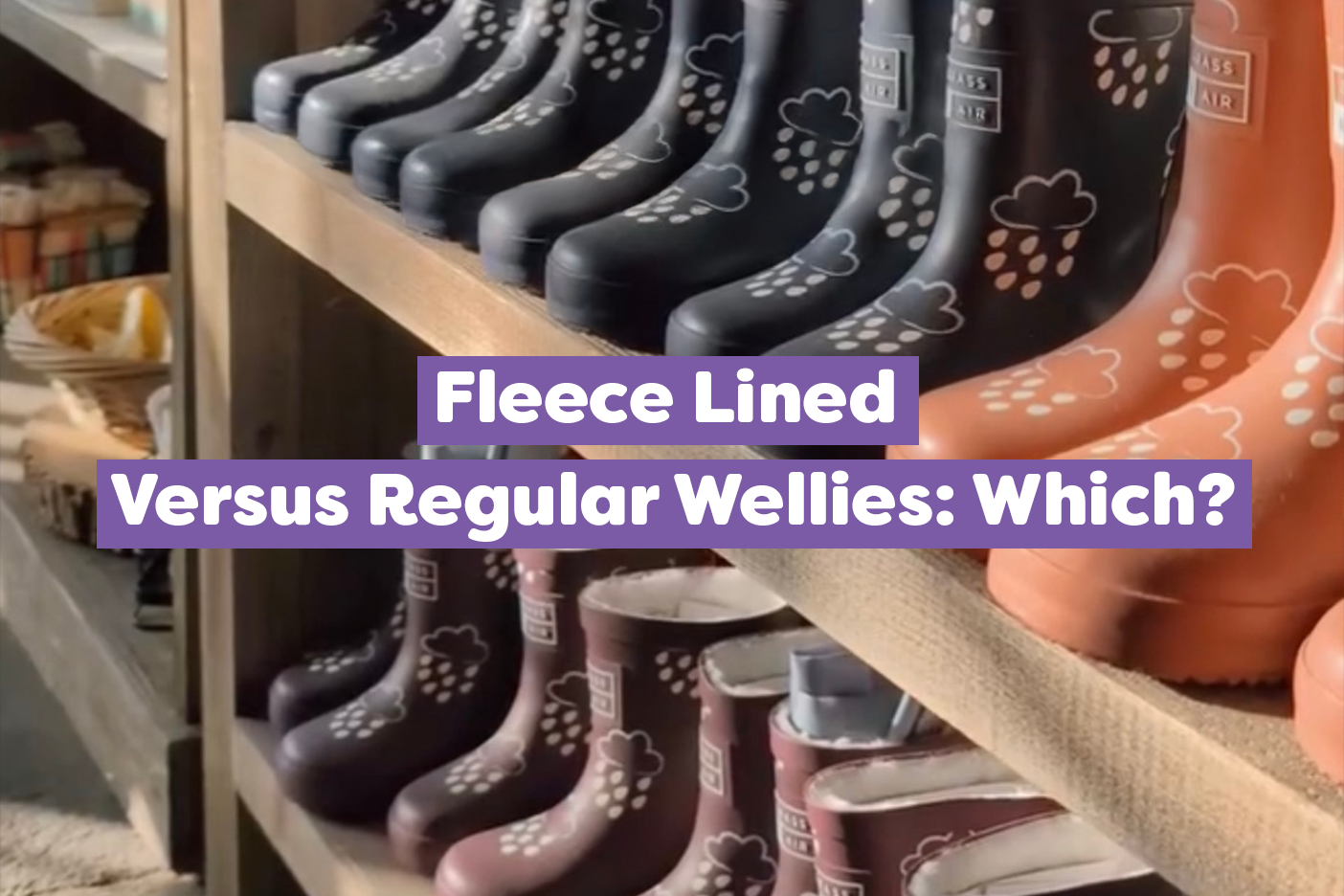
For frosty mornings, winter walks and muddy days when the temperature has dipped, fleece welly socks are a comforting choice. The fleecy layer traps warmth around the foot and ankle, making standard wellies feel cosier without needing a completely different boot for every forecast.
Look for fleece that feels soft rather than stiff and a shape that sits smoothly inside the boot. Bulky seams can become irritating during a long walk, while socks that bunch around the toes will quickly distract a child who would rather be climbing logs or making a leaf collection.
Fleece is lovely for warmth, but it can be too much for a mild, active day. If children are charging around the playground or racing scooters between rain showers, their feet may become warm quickly. Save the cosiest pairs for genuinely chilly weather and choose a lighter option for damp but mild days.
Cotton-rich socks for everyday puddles
Cotton-rich welly socks can be a useful choice for spring showers, early autumn and everyday nursery play. They feel familiar, breathable and easy to wear, giving a little more cushioning than a thin regular sock while avoiding the heft of thick fleece.
For energetic children, a cotton blend with some stretch is often practical. It should stay close to the foot rather than slipping down as they run, squat, climb and jump. A little stretch also makes getting dressed more manageable for children beginning to do their own socks and boots.
Cotton does absorb moisture, so it is not ideal when a child’s feet are likely to get wet from the inside of the boot or from a leaking boot. Welly socks add comfort, but they cannot make damaged, split or poorly fitting wellies waterproof. If socks come home wet, check the boots as well as the weather.
Wool blends for naturally cosy warmth
Wool-blend socks can work beautifully for cooler outdoor days because wool helps regulate temperature. It can feel warm when the air is cold without becoming quite as stuffy as a very heavy synthetic layer. For families who spend weekends on country walks, at football sidelines or exploring the coast in blustery weather, this can be a useful middle ground.
That said, wool may need more careful washing than cotton or fleece. Always follow the care label, particularly if the socks have a soft lining, colourful details or non-slip sections. A pair that is shrunk in a hot wash will not be much help when the next rain cloud arrives.
Getting the fit right inside wellies
The best children’s welly socks should feel snug, not tight. A sock that is too loose can wrinkle beneath the foot and cause rubbing. One that is too thick for the boot can squeeze toes, restrict movement and make wellies hard to pull on.
Start with the wellies your child wears most often. If they already fit closely with a standard sock, choose a lighter welly sock or consider whether there is enough room for an extra layer. If there is a noticeable gap around the ankle or heel, a warmer, thicker pair may improve comfort.
Ask your child to walk around indoors for a few minutes before heading out. Watch for heel lifting, toe scrunching or complaints that the boot feels difficult to bend in. Younger children may not explain the problem clearly, so a sudden refusal to wear their favourite colourful wellies can be a useful clue.
Length matters, too. Most welly socks work best when they come above the top edge of the boot. This helps protect the leg from rubbing against the rim and means the sock is less likely to slide down inside. Turn-over cuffs can also add a bright pop of colour above the boot, making rainy-day dressing feel a little more fun.
Welly socks for nursery, school and weekend play
For nursery, choose pairs that are simple to pull on, stay in place and can cope with regular washing. It helps to keep a spare pair in a nursery bag or school rucksack, especially during wetter months. Even the most dependable wellies can collect a little water when a child discovers that puddles are deeper than they look.
For weekend adventures, you can match the sock to the plan. A fleece pair suits a chilly park morning and a long muddy walk. Lighter socks are often plenty for a rainy summer day spent hopping through puddles, visiting the farm or running between showers in the garden.
A coordinated outerwear kit can make leaving the house feel less like a negotiation. Bright wellies, a waterproof layer and cosy socks give children the confidence to step outside straight away. At Grass & Air, outdoor essentials are made for exactly these small but memorable moments - when a grey sky becomes an excuse for a proper splash.
Keeping welly socks fresh and ready
Turn socks inside out before washing where the care label allows, particularly after muddy garden play. This helps remove grass, grit and any soil caught in the fibres. Wash pairs together, avoid overly hot cycles unless instructed otherwise and let them dry fully before folding them away.
It is worth checking the inside of wellies at the same time. Tip out stones, wipe away mud and leave boots somewhere airy to dry after a wet outing. Never place rubber boots directly against a radiator, as high heat can affect the material over time. Dry boots and dry socks are a much happier starting point for tomorrow’s adventure.
Keep a few pairs by the door when the forecast is changeable. Then, when the first raindrops appear, the only decision left is which puddle to jump in first.