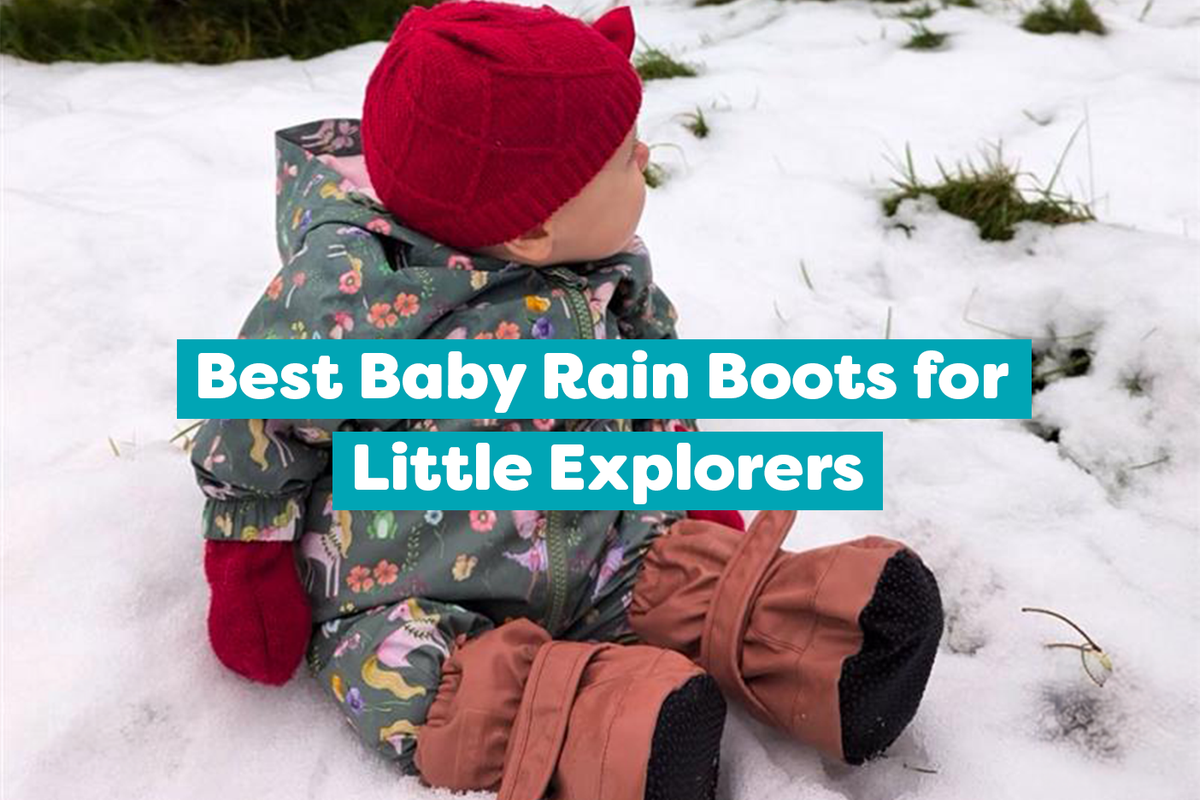
Article: How to Choose Baby Booties for Tiny Explorers
How to Choose Baby Booties for Tiny Explorers
A chilly pram walk, a wriggly baby carrier cuddle, a first trip into the garden - tiny feet need more than a pair of cute socks. Knowing how to choose baby booties means finding a pair that stays put, feels soft against delicate skin and keeps little toes comfortable through every small outdoor adventure.
Baby booties are made for the pre-walking days, when babies need warmth and gentle protection rather than structured shoes. The best pair should make getting out of the house easier, whether you are heading to baby group, collecting an older sibling from nursery or taking the long way home through the park after rain.
Start with your baby’s stage, not just their age
A newborn spending most of the day in a pram has different needs from a curious crawler who wants to investigate the patio. Before choosing a style, think about how your baby moves and where the booties will be worn.
For young babies, softness and warmth take priority. Their feet are still developing and do not need firm soles or heavy footwear. Look for flexible booties that allow toes to wiggle freely, with enough room for socks on colder days.
Once your little explorer is crawling, booties still need to bend easily with every movement. A soft, grippy sole can be useful for indoor floors and supervised play on dry surfaces, but it should never feel stiff or restrictive. Babies learning to stand need to feel the ground beneath them, helping them build balance and confidence at their own pace.
When they are taking independent steps outdoors, it may be time to consider a proper first shoe designed for walkers. Booties are brilliant for warmth and comfort, but they are not always the right choice for repeated pavement adventures.
How to choose baby booties with the right fit
Fit is where comfort begins. Booties that are too small can press on tiny toes, while pairs that are too roomy may twist, slip off or bunch around the heel. A secure fit does not mean a tight fit - your baby should still be able to stretch and curl their toes naturally.
Measure both feet when your baby is calm, ideally later in the day when feet can be a little fuller. Use the larger measurement if there is a difference between the two, which is completely normal. Check the brand’s size guide rather than guessing from age alone, as babies grow at their own wonderfully unpredictable pace.
Leave a little growing room, but avoid buying several sizes up. If you can easily slide a finger down the back and the bootie still stays neatly on, that is usually a reassuring sign. Look at the shape, too. A wider toe area gives little feet the space they need, especially if your baby wears thicker socks in winter.
Choose an opening that makes life easier
Tiny feet can be surprisingly determined at nappy-change time. Wide openings, stretch cuffs and adjustable fastenings make booties much easier to put on without a wrestling match.
An elasticated ankle or cuff can help prevent the classic one-bootie mystery, where a shoe disappears somewhere between the front door and the pram. Adjustable fastening is especially helpful if your baby has fuller ankles, wears socks underneath or is between sizes. Just check that any closure is smooth, secure and positioned away from skin that could rub.
Match the material to the weather
British weather rarely sticks to one plan. A sunny start can become a breezy afternoon, and a dry nursery run can finish with a wet buggy ride home. Choosing the right material helps little feet stay cosy without overheating.
For crisp autumn walks and frosty mornings, fleece-lined or insulated booties offer welcome warmth. Soft linings feel lovely against skin and can make a carrier walk much more comfortable, particularly when little legs are tucked under a coat or blanket.
For milder days, breathable fabrics are often the better choice. Babies can get warm quickly in a footmuff, car seat or sling, so thickly padded booties may be too much if they are layered with warm socks and a snowsuit. Check your baby’s feet and back of their neck occasionally. Warm is ideal; hot or sweaty means it is time to remove a layer.
If you are heading outdoors in damp conditions, look for water-resistant or waterproof protection where it suits the activity. Waterproof booties can be helpful for buggy walks, garden fresh air and those inevitable moments when little feet find the edge of a puddle. They are not a substitute for waterproof footwear for a walking child, but they can keep pre-walkers more comfortable when the weather turns splashy.
Look for warmth without bulk
Big, padded booties can look irresistibly cosy, but too much bulk can make it harder to fit your baby comfortably into a carrier or the foot area of a pram. The aim is warm, flexible and easy to layer.
Think about what your baby will wear around the booties. A cotton sock under a warm pair may be perfect for a cold morning, while bare feet or lightweight socks may work better indoors. If booties are for a baby carrier, choose a design that stays secure when knees are bent and feet are tucked close to you.
For pram days, remember that babies do not create as much warmth when they are sitting still. A cosy pair of booties, paired with suitable layers and a footmuff or blanket, can help keep toes comfortable while you enjoy some fresh air together.
Do not overlook soles and grip
The sole should suit your baby’s movement and the places you are likely to go. Pre-walkers generally benefit from soft soles that flex with their feet. A little texture or grip can add reassurance on indoor wooden floors, tiles and dry outdoor surfaces, particularly for babies who are pulling themselves up.
Avoid hard, heavy soles for babies who are not yet walking independently. They can feel awkward, add unnecessary weight and limit the natural movement that growing feet need. Equally, a very slippery fabric base can make standing practice trickier on smooth floors.
It depends on your routine. If your baby’s booties are mainly for the pram, warmth and staying power matter most. If they are for crawling around a café, playgroup or grandparents’ kitchen, a flexible grippy base becomes more useful.
Check the little details that make a big difference
A beautiful colour is always welcome in Grass & Air World, but the practical details are what make a pair a real everyday favourite. Feel inside the bootie for rough seams, labels or stiff edges that could irritate delicate skin. Smooth linings and gentle cuffs are kinder for long wear.
Consider how easy they are to clean, too. Muddy garden paths, drips from the changing bag and snack-time surprises have a habit of finding their way onto everything. Wipe-clean finishes or machine-washable fabrics can save time when you would rather be planning the next adventure than hand-washing tiny footwear.
Keep safety simple. Avoid loose decorations, long ties and anything that could detach. Regularly check that stitching, fastenings and soles are secure, especially if booties have become a daily favourite.
Buying baby booties as a gift
Baby booties make a thoughtful gift because they are useful from the very first outings and feel a little more special than another pack of babygrows. If you are unsure of size, it is often safer to choose a slightly later age range for a seasonal gift, while keeping the style appropriate for a pre-walker.
A flexible pair in an easy-to-coordinate colour is a practical choice for everyday wear. For families who love getting outside whatever the forecast, cheerful colours and playful prints can bring a little joy to grey-sky days. After all, getting dressed for fresh air should feel like the start of an adventure.
The right booties will not make your baby walk sooner, sleep longer or keep every sock from vanishing. But they can keep small feet warm, comfortable and ready for the next pram walk, garden wiggle or first look at a rain-speckled world.