Kids Raincoats: How to Choose One for Play
The school run is drizzly, the garden is gleaming and there is a puddle with your child’s name on it. The best kids raincoats make those moments feel simple: zip up, pull on wellies and let the adventure begin. For parents, the goal is more than a cheerful print. A good raincoat needs to keep little explorers dry, comfortable and free to move through all the hopping, climbing and crouching that outdoor play demands.
What makes a great kids’ raincoat?
A raincoat earns its place on the peg when it handles real family life: a soggy walk to nursery, a surprise shower at the playground and an afternoon spent inspecting every puddle in the park. It should be easy for a child to wear, warm enough when layered and protective enough that a little rain does not bring play to a halt.
The first thing to check is whether a coat is waterproof rather than simply showerproof. Showerproof fabric can cope with a brief, light drizzle, but it may not hold up when rain settles in or when children are sitting on wet play equipment. A waterproof raincoat is the more reliable choice for British weather, especially for nursery days, woodland walks and wet weekends.
Look for taped seams, too. Stitching creates tiny holes in fabric, so taped seams add an extra barrier to help stop water sneaking through. A waterproof outer layer and taped seams work together to offer more dependable protection when the clouds mean business.
A hood that stays put
A hood is wonderfully useful, but only if it does not tumble over little eyes or slide off at the first gust of wind. Choose one with a comfortable shape around the face and enough room for a bobble hat on colder days. A well-fitting hood helps children see where they are going, which matters when they are balancing on logs, racing friends or spotting worms after rain.
For younger children, a simple hood without fiddly parts is often easiest. Older children may appreciate an adjustable fit, particularly if they walk to school or spend more time outside in changeable weather.
Room to layer, room to move
Raincoats do not need to provide all the warmth themselves. In fact, a lighter waterproof shell is often the handiest option because it can be layered across the seasons. Add a T-shirt for a mild shower, a fleece for crisp autumn mornings or a cosy sweatshirt for wintery walks.
Avoid a coat that fits too closely around the shoulders and arms. Children need to reach, dig, swing and scramble without feeling restricted. A slightly roomy fit makes layering easier, but it should not be so oversized that sleeves flap into puddles or hands disappear entirely.
Choosing kids raincoats for each season
The same raincoat will not suit every day of the year in exactly the same way. What matters is building an outfit around the weather, the activity and how long your child will be outside.
Spring showers and nursery mornings
Spring can start frosty and finish sunny, often before lunchtime. A lightweight waterproof raincoat is ideal here, worn over a jumper or fleece that can come off when the day warms up. Bright colours are a practical bonus in grey weather, making little ones easier to spot at the park, on the pavement or in a busy nursery garden.
For nursery, prioritise easy zips and a coat that can be hung up without a struggle. If children can practise doing up their own coat, even better. That small bit of independence can make the morning rush feel calmer for everyone.
Summer showers and holiday packing
Summer raincoats need to be light enough to carry and breathable enough for warm, damp days. A soft lining can feel more comfortable against bare arms than a sticky plastic-like finish, especially when a rain shower arrives halfway through a family day out.
A packable coat is useful for holidays, beach walks and long days that begin in sunshine and end beneath stormy skies. Pair it with sandals when the weather is warm, then add wellies when muddy paths and puddles are on the agenda. The right layers mean a change in forecast need not mean a change of plan.
Autumn mud and winter drizzle
When the temperature drops, a raincoat becomes part of a team. Start with a warm base layer, add a fleece or sweatshirt, then finish with the waterproof outer layer. This gives children warmth without the stiffness of one bulky coat.
For long outdoor stretches in colder rain, consider a fleece-lined waterproof or a roomy raincoat that comfortably fits over thicker layers. Waterproof dungarees or a puddlesuit can also be a brilliant match for younger children who sit, kneel and slide in wet grass. A coat protects the top half, but a full waterproof outfit is often the better answer for committed muddy play.
Features that make rainy days easier
The details can turn a coat from something children tolerate into something they reach for. A smooth zip with an easy-to-grab pull is kinder to small hands. A chin guard can help prevent the zip rubbing delicate skin, while elasticated cuffs help keep sleeves in place when children are washing hands, digging in sand or leaning over a puddle.
Pockets are not essential for waterproofing, but they are essential for treasure. Leaves, pebbles, tiny sticks and the occasional mystery object all need somewhere to go. Just remember that pockets are unlikely to be fully waterproof, so a precious paper drawing is best kept safely at home.
A longer back can offer a little extra coverage when children bend down or sit, while reflective details can be reassuring for darker mornings and late-afternoon journeys. No single feature is the answer on its own. Think about your child’s usual adventures and choose the details that will genuinely make getting outside easier.
Getting the fit right
The best way to check a raincoat is to imagine play, not standing still. Ask your child to stretch both arms up, squat down and give themselves a big cuddle. The sleeves should reach the wrists without covering the hands, and the hem should give coverage without stopping easy movement.
If you are buying ahead for the next season, a little growing room is sensible. Several sizes too big is less helpful, though. A coat that slips from the shoulders, catches under feet or leaves the hood loose around the face can be frustrating for a child and less protective in wet weather.
Remember that sizing varies, so measurements and individual product guidance are always more useful than choosing only by age. If your child is between sizes, consider what they will wear underneath most often. A lightweight shell intended for year-round layering may work best with a little more space, while a lined coat may not need it.
Pairing a raincoat with the rest of the adventure kit
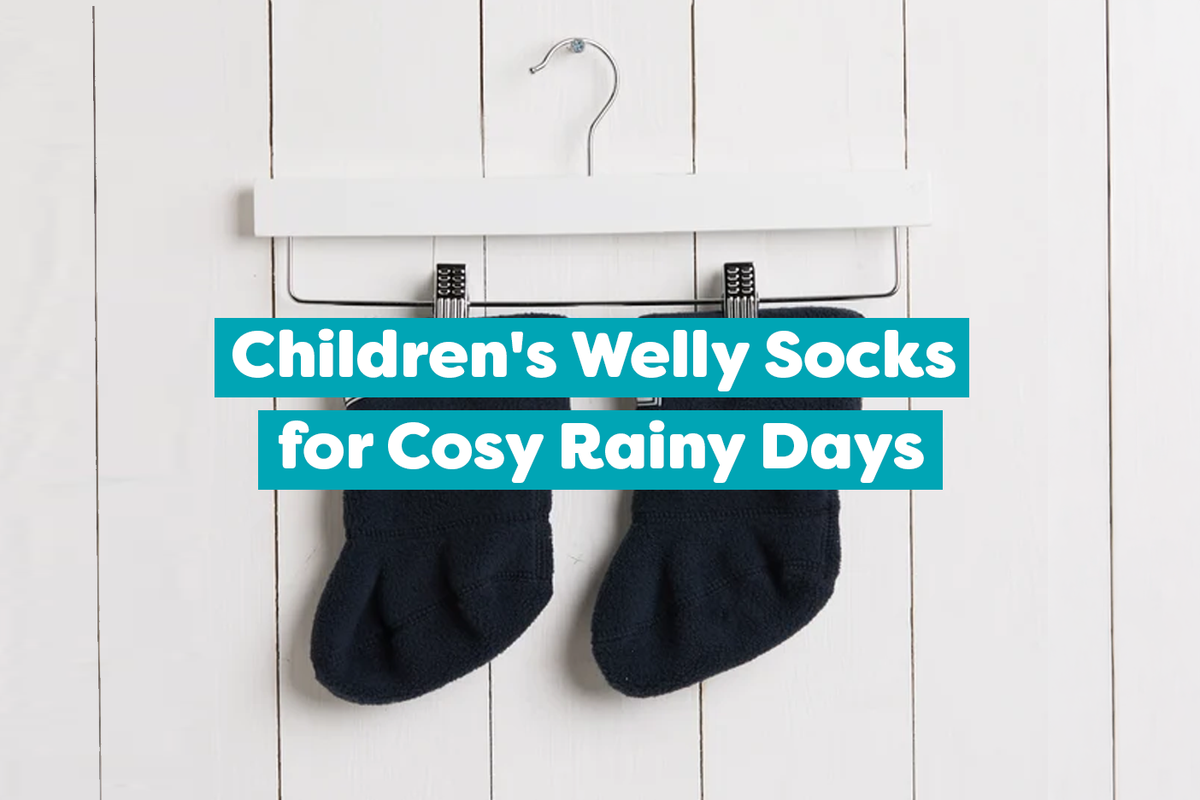
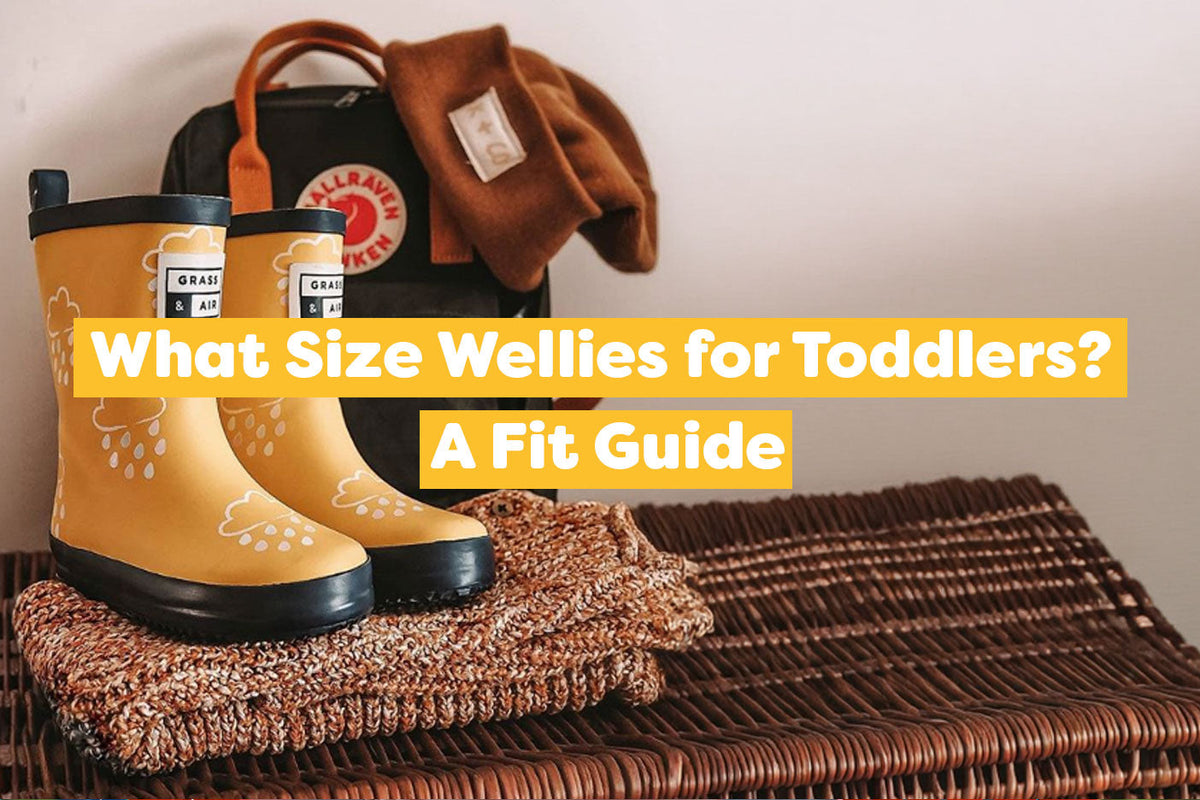
Rainy-day dressing works best from the ground up. Wellies keep puddles from becoming cold socks, while warm welly socks add comfort on chilly days. Waterproof dungarees are a clever extra layer for children who see a muddy hill as an invitation rather than an obstacle.
For babies and toddlers, full-body protection can save a lot of outfit changes. A puddlesuit worn over everyday clothes is particularly helpful for buggy walks, garden play and outdoor nursery sessions. Older children may prefer the flexibility of a raincoat and separate waterproof trousers, especially when they need to take layers on and off at school.
At Grass & Air, colourful waterproofs and playful wellies are made for fun in all weathers - because practical kit feels far more exciting when children cannot wait to put it on.
Caring for a raincoat so it stays ready
Mud and splashes are part of the fun, but regular care helps a raincoat perform well for longer. Let muddy clothes dry first, then brush off loose dirt before washing. Follow the care label closely, as harsh detergents, fabric conditioner and high heat can affect a waterproof finish.
If water stops beading on the surface and begins soaking into the outer fabric, the coat may need a wash designed for waterproof clothing or a suitable reproofing treatment. It does not necessarily mean the coat has failed, but it is a good prompt to give it some care before the next wet-weather adventure.
Hang raincoats to dry fully after a soggy day rather than leaving them bundled in a school bag or by the radiator. A dry, ready-to-go coat makes tomorrow morning easier - and means the next puddle can be a happy discovery, not a reason to head home.