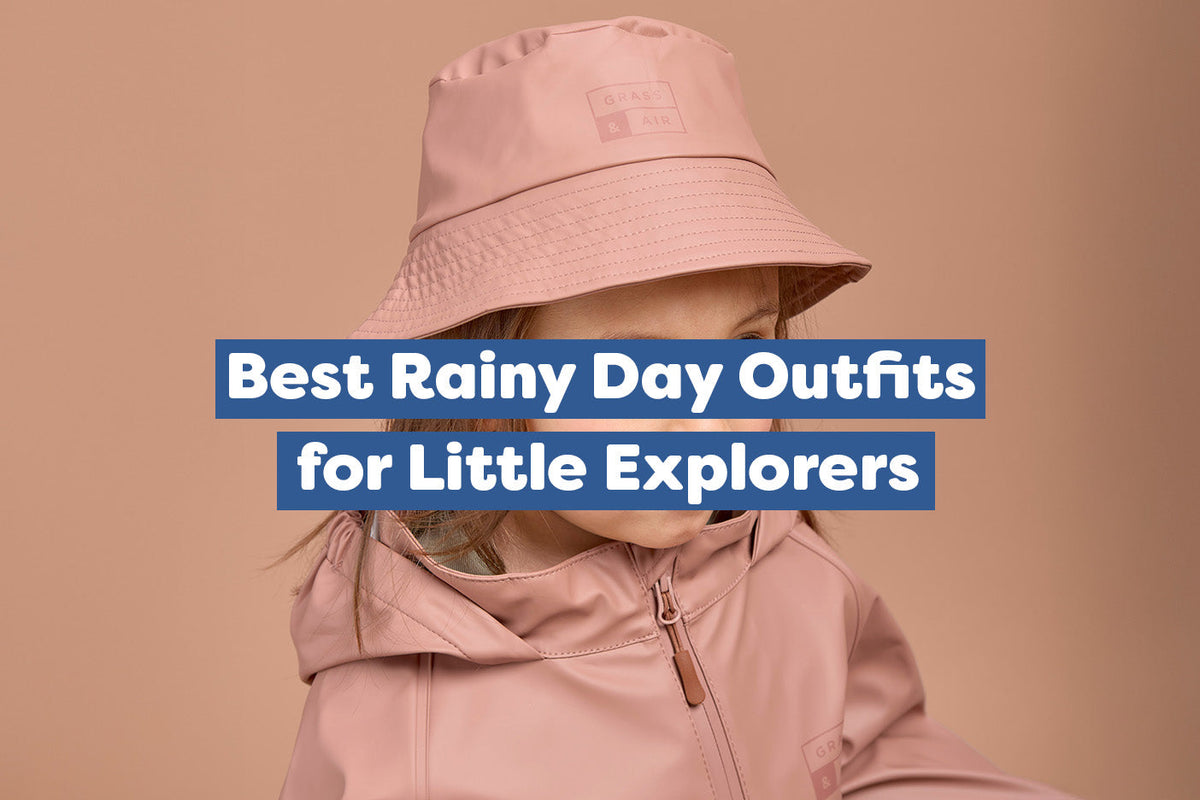
Article: Sustainable Kids Clothing Trends for 2026
Sustainable Kids Clothing Trends for 2026
A mud-splattered puddlesuit, a pair of wellies passed down to a younger sibling, a fleece that still earns its place on chilly school runs - sustainable children's clothing trends are less about dressing children in beige and more about choosing pieces ready for real life. For families, the most useful version of sustainability is clothing that can handle nursery gardens, weekend walks, surprise downpours and plenty of enthusiastic play.
Children grow quickly, get gloriously messy and have a talent for testing every zip, cuff and knee. That makes the conversation more practical than perfect. The best choices often balance materials, durability, cost, comfort and how likely an item is to be worn again and again.
Sustainable Children's Clothing Trends That Matter
Buying fewer, harder-working pieces
One of the biggest shifts is away from buying lots of single-purpose outfits and towards a smaller collection that works across the week. Think waterproof outer layers for the walk to nursery and rainy garden missions, cosy mid-layers for colder days, and footwear that children can pull on themselves before heading outside.
This does not mean every child needs a capsule wardrobe with matching hangers. It means choosing clothes with a clear job to do and enough everyday appeal that they do not sit unworn in a drawer. A bright raincoat that a child is excited to wear can be a more sensible choice than a less-loved option, because it is far more likely to see plenty of puddle-jumping action.
Versatility matters most when the weather changes its mind. Layering allows families to adapt without replacing an entire outfit: a fleece under a waterproof for frosty mornings, lighter layers when the clouds lift, and wellies with warm socks when the ground is soggy. Clothing that earns its place through several seasons and settings is often a better long-term buy.
Durability is becoming a design feature
Parents are increasingly looking beyond the first wear. Can the knees cope with crawling, climbing and kneeling in the sandpit? Will the waterproof layer still be useful after a busy term at nursery? Is the lining comfortable enough that children will happily keep it on?
Durability is not simply about making something feel thick or stiff. For children, it should mean freedom to move, easy fastenings and fabrics that are comfortable for long stretches of play. It also means following care instructions. Washing a waterproof too often, or using the wrong detergent, can affect how it performs, while drying muddy gear properly before storing it can help it stay ready for the next adventure.
There is a useful trade-off here. The toughest item is not always the best choice if it is uncomfortable, difficult to put on or never gets worn. Look for the sweet spot: practical protection, child-friendly fit and a design your little explorer genuinely enjoys.
The Rise of Pre-Loved and Passed-On Playwear
Second-hand shopping has moved well beyond emergency uniform buys. Parents are searching for pre-loved coats, wellies, fleeces and occasionwear, then passing on the pieces that still have plenty of adventures left in them. It makes particular sense for items children may outgrow before they wear out.
A hand-me-down does not need to look brand new to be useful. Small scuffs, a little fading and evidence of previous puddle patrols are often part of its charm. Before passing something on, check the seams, fastenings, soles and waterproof coating. Give it a clean, make any simple repairs and be honest about its condition. A well-cared-for item is easier for another family to use with confidence.
Clothes swaps are another friendly option, especially among nursery friends and siblings of different ages. Group items by size, season and condition, then let each family take what they need. It can turn the inevitable growth-spurt clear-out into a practical community habit rather than a bag of forgotten clothes by the front door.
Repair is part of the adventure
A missing popper or small tear does not always mean an item has reached the end of the road. Simple repairs can give play clothes more life, particularly when the damage is cosmetic rather than affecting warmth or waterproofing. A patch on a knee can become a badge of honour after a season of garden expeditions.
For technical outerwear, inspect carefully before repairing. A patch needs to be suitable for the fabric and placed so it does not interfere with movement or protection. If a waterproof item leaks through a seam or has extensive damage, it may need specialist advice rather than a quick fix.
Teaching children to care for their kit can help too. Hanging up a wet coat, knocking mud off wellies outside and putting gloves together after a walk are small rituals, but they build habits that make clothing last longer. Better still, they make getting out of the house a little less frantic.
Materials Matter, But So Does the Full Picture
Natural, recycled and lower-impact materials are featuring more prominently in children’s clothing, and it is encouraging to see families asking better questions. A recycled fibre, organic cotton layer or responsibly sourced material may be part of a considered choice, but no single label tells the whole story.
Ask how and when the garment will be used. A soft cotton T-shirt may be ideal for warm-weather play, while a waterproof shell has a different job altogether. Outerwear needs to protect children from rain, wind and mud, and its value comes from how well it performs over time. Choosing the right garment for the conditions can prevent unnecessary replacements and keep outdoor plans on track.
It is also worth being wary of vague claims. Words such as ‘eco’ and ‘green’ are not always enough on their own. Clear information about materials, care and expected use is more helpful than a sweeping promise. Sustainable shopping is not about finding a flawless item - it is about making a thoughtful choice with the information available.
Colour, Personality and Longevity Can Go Together
For a while, sustainable children’s style was often pictured in muted shades and very grown-up minimalism. Families are proving that colour and longevity can happily share the same coat hook. Bold prints, joyful shades and playful details can make children more likely to wear and look after their outdoor kit.
There is a practical side to personality, too. When a child can spot their raincoat on a busy nursery peg rail or recognise their own wellies in the hallway, mornings can run more smoothly. Designs that feel special can encourage independence: children are more likely to reach for clothing they love.
Choosing colours with passing-on in mind depends on your family. Some prefer classic styles that work for several children, while others want a colour that reflects one child’s big personality. Both can be sensible. The item’s lifespan is shaped by its condition and use, not whether it follows a trend.
How to Build a More Thoughtful Outdoor Wardrobe
Start with the moments your family actually has. If your child walks to school in all weathers, a dependable waterproof layer and comfortable footwear may be your priorities. If they spend weekends at the beach, sun protection, quick-drying swimwear and sandals that stay put could work harder. For nursery children, easy-on pieces are often worth their weight in gold.
Before buying, consider the fit with room for movement and layering, whether it can be passed on, and how it will be washed and stored. Avoid sizing up so dramatically that sleeves trail in puddles or children cannot move comfortably. A little growing room is useful; an awkward fit can mean a perfectly good item goes unworn.
When a season ends, clean and dry clothing before packing it away. Store it somewhere cool and dry, then check it before the first chilly or rainy day arrives. This simple reset helps you see what still fits, what needs repairing and what can begin a new adventure with another child.
The most encouraging sustainable trend is not a colour, fabric or viral shopping rule. It is the growing idea that children’s clothes should be made for living: for muddy knees, windy beaches, rainy walks and sunshine after the storm. Choose what will be worn with joy, care for it well and let every last puddle be part of the story.