Article: How to Measure Children's Feet for Shoes at Home
How to Measure Children's Feet for Shoes at Home
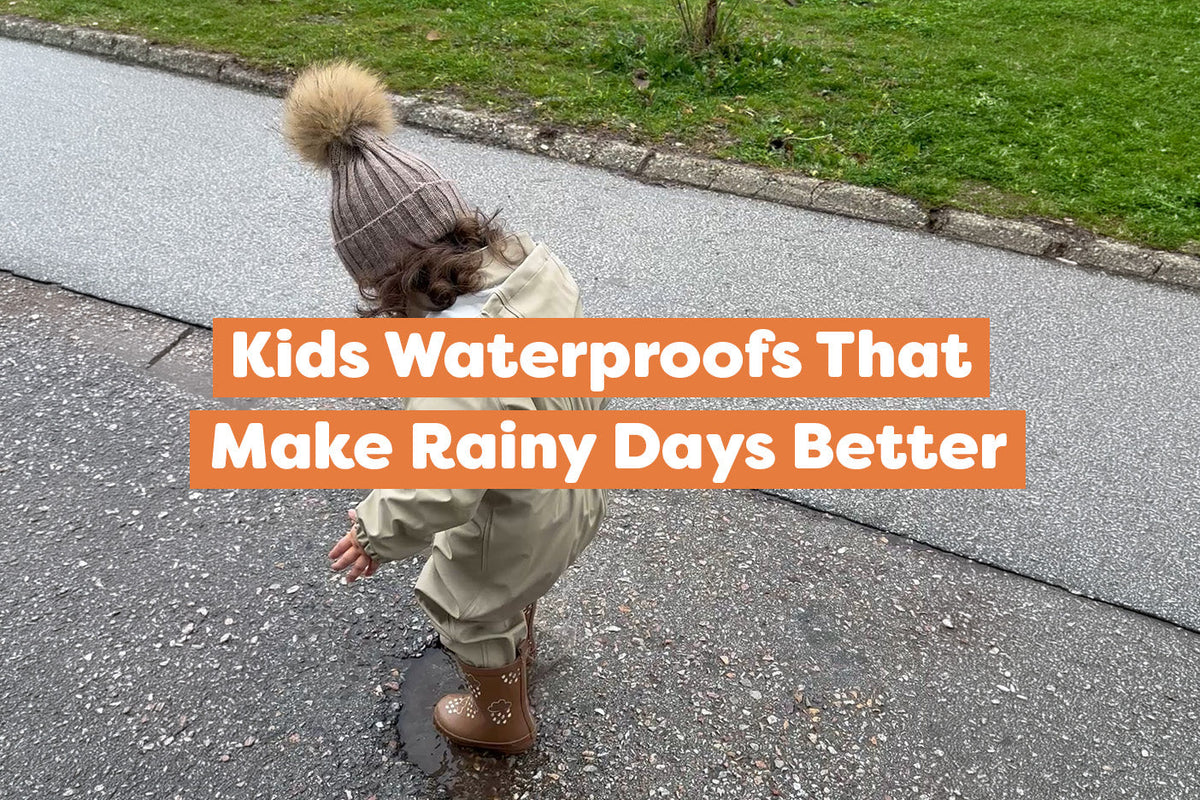
A pair of wellies can be ready for the biggest puddle in the park, but they will not feel much like an adventure if little toes are squashed inside. Knowing how to measure children's feet at home helps take the guesswork out of buying shoes, sandals and boots, so your little explorer can run, climb and splash in comfort.
Children's feet grow in sudden bursts, often just when last season's footwear still looks perfectly fine from the outside. A quick measurement before buying a new pair can make all the difference to nursery mornings, muddy garden missions and family days out.
How to measure children's feet at home
The simplest way to measure a child's foot is with a sheet of paper, a pencil or pen, a ruler and the socks they would usually wear with that style of footwear. For wellies and winter boots, use their usual thicker socks or welly socks. For sandals, measure bare feet.
Try to measure feet later in the day, when they are at their largest. Find a hard, flat floor rather than a soft carpet, then place the paper against a wall. Ask your child to stand with their heel gently touching the wall and their weight spread across both feet. This matters because feet lengthen and widen slightly when standing - measuring a wiggly foot in the air can make it seem smaller than it is.
Mark the paper at the tip of their longest toe. It is not always the big toe, so check carefully. Measure the distance from the wall edge to the mark in centimetres. That is the length of one foot.
Repeat the process with the other foot. It is completely normal for one foot to be a little longer, and the longer measurement is the one to use when choosing a size.
A quick foot-measuring checklist
For the most reliable result, make sure your child is standing upright, their heel is against the wall and they are not curling their toes. Keep the pen or pencil vertical as you make the toe mark, rather than angling it underneath the foot. If they are in a particularly energetic mood, turn it into a game: stand tall like a tree, freeze like a statue, then measure the explorer feet.
Avoid drawing around the whole foot if possible. Pencil outlines can easily become wider or longer than the foot, especially if little ones are wriggling. The wall-and-toe-mark method is generally easier to repeat and compare.
Add growing room, not guesswork
A foot measurement is the starting point, not automatically the shoe size. Every footwear brand can size its shoes a little differently, so always compare your child's longer foot measurement with the specific size guide for the pair you are considering.
Most closed shoes need some growing and movement room in front of the toes. Around 10-12mm is a useful guide for everyday shoes and boots, although the right allowance depends on the design and the brand's own fitting advice. Too little room can feel tight quickly. Too much room can make feet slide about, which may lead to rubbing, trips or a clompy walk that makes running and jumping less comfortable.
Wellies need a little extra thought. They are designed for puddle splashing rather than precision sprinting, and children may wear them with thicker socks in colder weather. Measure with the socks your child will actually use, then follow the individual product's sizing guidance. A fleece-lined welly may fit differently from an unlined pair, even if the labelled size is the same.
For sandals, a secure fit is particularly useful. There should still be a little space for toes to move, but feet should not spill over the front or sides, and straps should hold the heel comfortably without digging in. Summer feet can swell in warm weather, so trying sandals on later in the day is a sensible plan.
Check width and shape as well as length
A number on a ruler cannot tell the whole story. Children have feet with different widths, instep heights and toe shapes, so a shoe that is long enough can still feel wrong. Once footwear arrives, look at how it sits on the foot as well as where the toes are.
Watch for red marks, pinching around the opening, straps that leave deep indentations or a heel that lifts dramatically with each step. Ask your child how the shoes feel, but also trust what you can see. Younger children may say a shoe is fine because they are excited about its bright colour or ready to get outside.
With boots and wellies, check that there is enough room across the widest part of the foot without the boot looking stretched or difficult to pull on. Equally, a very loose boot can make walking awkward. The right pair should feel secure enough for a pavement skip and roomy enough for a thick sock when the weather turns chilly.
The thumb test: useful, with limits
You may have heard that you can press a thumb at the front of a shoe to see whether there is space. It can be helpful, but it is not foolproof. Thick materials, stiff toe caps and an excited child who curls their toes can all make the test misleading.
If you use it, have your child stand up with their heel back in the shoe. Gently feel for their longest toe, then check for a small gap at the front. Use this as a final sense-check alongside the measurement and the brand's size guide, rather than relying on it alone.
When to measure children's feet again
Babies and toddlers can outgrow footwear surprisingly quickly, particularly during their first busy years of walking, climbing and chasing after everything. Check regularly rather than waiting for shoes to look worn out. A child can need a new size before there is any obvious sign from the outside.
As a general rhythm, measuring every six to eight weeks for babies and new walkers, every two to three months for toddlers, and around every three to four months for older children can help you spot a change early. Growth is not perfectly predictable, though. If your child starts taking shoes off, complains that they hurt, trips more than usual or has red marks after wearing them, measure again sooner.
Footwear used for outdoor play deserves a quick check too. Wellies can last through plenty of rainy-day fun, but it is worth checking fit before the next wet-weather season, especially if they have been tucked away over summer. The same goes for holiday sandals rediscovered in a drawer when sunshine appears.
Measuring wriggly toddlers and reluctant little explorers
Not every child will stand still long enough for a textbook measurement. If you are measuring a toddler, keep the moment short and cheerful. Let them choose the paper colour, hold the ruler or measure a favourite toy's foot first. You can also measure one foot, take a play break, then come back for the other.
For a child who will not stand against a wall, try placing the paper on the floor and making a quick heel and toe mark while they stand naturally. It may not be quite as precise, so repeat it once or twice and use the longest result. A few extra minutes now can save a pair of shoes that only gets worn once.
For babies who are not yet walking, measure gently when they are calm and lying down, from heel to longest toe. Soft booties should never feel restrictive, but they do not need the same structured fit as shoes for a confident walker. Once little feet are regularly bearing weight, switch to standing measurements whenever you can.
Make room for every adventure
The best-fitting footwear is the pair your child barely notices once play begins. It stays comfortable through the nursery run, feels warm on a crisp woodland walk and leaves plenty of confidence for a full-speed puddle jump. Measure little feet regularly, use the longer foot and the right socks, then let the weather set the scene for the next adventure.