Article: Autumn Outdoor Play Guide for Little Explorers
Autumn Outdoor Play Guide for Little Explorers
The first crisp leaf underfoot, a muddy shortcut home from nursery, a garden suddenly full of puddles - autumn is made for little explorers. This autumn outdoor play guide is here to make getting out feel less like a daily dressing battle and more like the beginning of a brilliant adventure. With a few practical layers and permission to get a bit mucky, there is plenty to enjoy between the first drizzle and the early dusk.
Why autumn play is worth the extra layer
Autumn weather has a wonderful habit of changing its mind. A bright morning can become a blustery, drizzly afternoon by pick-up time, while a chilly walk to the park can quickly turn warm once little legs start running. That is exactly why outdoor play matters at this time of year: children notice the world shifting around them.
Conkers appear underfoot, leaves crunch and swirl, and puddles become deeper after every shower. These small seasonal changes invite children to climb, collect, stomp, splash and imagine. Outdoor time also gives them space to use up energy, practise balance and build confidence in their own capabilities.
The trick is not waiting for a perfect weather forecast. It is dressing for the forecast you have, with enough flexibility for the one you are likely to get instead. When children are warm, dry and able to move freely, a wet lawn or windy playground is simply part of the fun.
An autumn outdoor play guide for changeable days
A good autumn outfit works in layers. Rather than relying on one very thick item, start with soft, comfortable clothes that children can move in, then add warmth and waterproof protection as the temperature drops or the rain arrives. This makes it easier to take off a layer after a high-energy game of chase, or add one before a buggy ride home.
Start with comfy everyday layers
A long-sleeved top and joggers or leggings are an easy foundation for most autumn days. On colder mornings, a fleece or cosy sweat adds warmth without making children feel stiff or bulky. Look for soft fabrics and roomy shapes that leave space for climbing frames, crouching to inspect a snail and full-speed puddle jumping.
For babies and toddlers, warmth can disappear quickly when they are sitting in a buggy or stopping often to explore. An extra fleece layer may be useful even when older siblings are happy in lighter clothes. On the other hand, an active child racing around the woods may only need a light layer under their waterproof. It depends on the child, the activity and how long you plan to be outside.
Add waterproofs before the rain starts
Waiting until rain is pouring down to find the waterproofs can make leaving the house harder than it needs to be. Keep a raincoat, puddlesuit or waterproof dungarees near the door, ready for nursery runs, park stops and surprise showers.
A raincoat is a practical choice for a walk, the school playground or an afternoon when showers are likely. Waterproof dungarees offer extra coverage for children who love sitting on damp logs, kneeling in mud kitchens or sliding down wet slides. For younger children, a puddlesuit can be a brilliant all-in-one answer, helping keep little backs and legs covered while they crawl, toddle and tumble.
Waterproof clothing is not only for heavy rain. Damp grass, a muddy woodland path and a playground still glistening after a shower can all leave ordinary clothes cold and soggy. A protective outer layer gives children the freedom to say yes to the muddy bit of the garden rather than carefully stepping around it.
Choose wellies made for jumping
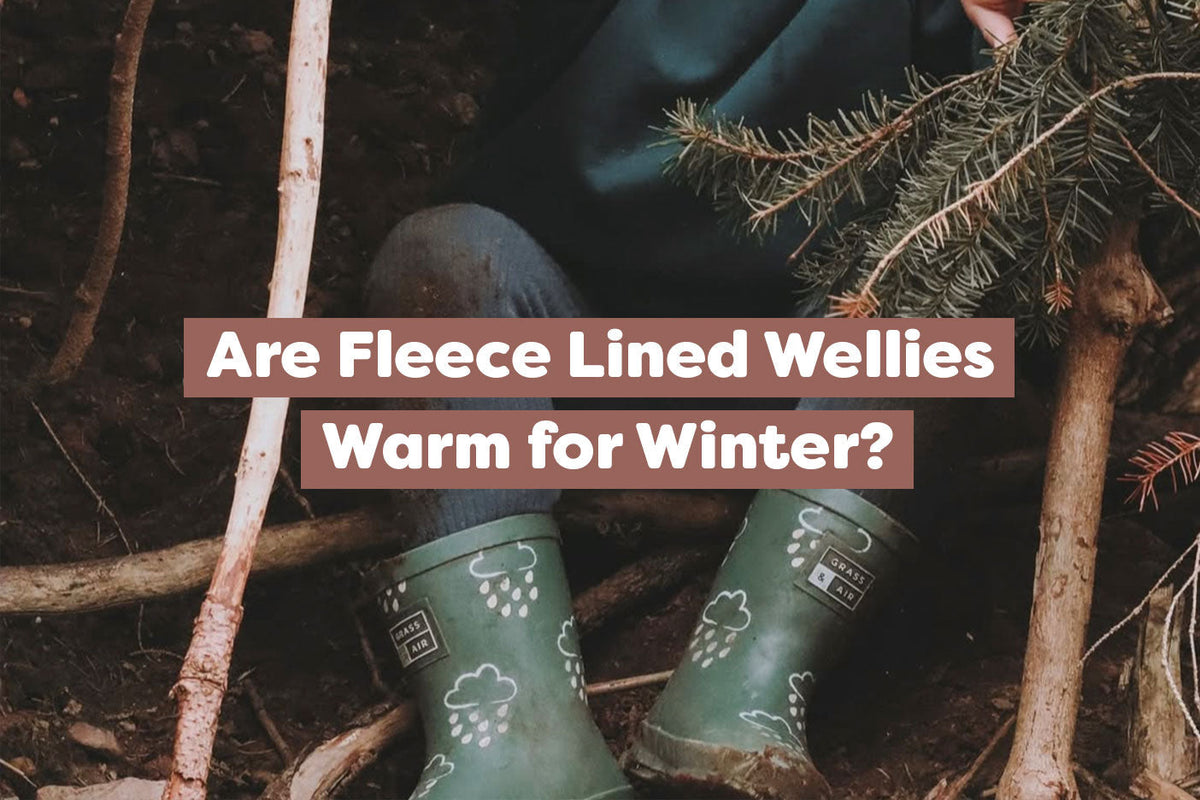
Autumn without wellies is a missed opportunity. Proper kids' wellies help keep feet dry on wet paths and make puddles far more tempting. Choose a pair that fits comfortably with socks, is easy for small hands to pull on and has enough grip for slippery leaves and uneven ground.
Fleece-lined wellies can be especially useful on cold, damp days, while welly socks add a cosy layer when the temperature falls. It is worth checking fit at the start of the season, particularly after a summer growth spurt. Wellies that are too tight can make toes chilly, while pairs that are far too big can be tricky to run in.
There is joy in footwear children genuinely want to wear, too. Grass & Air colour-changing wellies bring an extra little bit of magic to rainy days, giving puddle jumping a playful surprise before the adventure has properly begun.
Dress for the plan, not just the forecast
The same temperature can feel completely different depending on what your family is doing. A slow walk with a buggy needs more warmth than an energetic game in the park. A woodland den-building mission calls for waterproof coverage and sturdy wellies, while a quick dash to the shops might only need a coat and an extra layer.
For a nursery day, aim for clothing that is simple for children and carers to manage. Easy-to-pull-on waterproofs, wellies and clearly named layers help make outdoor time less fussy. Pack a spare pair of socks and leggings if there is any chance of serious puddle play. A dry change of clothes can save the journey home after a particularly successful mud kitchen session.
If you are heading to the coast or an exposed hill, wind can be as noticeable as rain. A waterproof outer layer over a fleece is often more useful than a single heavy coat, because it traps warmth while blocking the chill. On still, sunny autumn days, children may need fewer layers than expected, so keep an eye on warm cheeks and busy bodies.
Make room for muddy, imaginative play
The best autumn activities rarely need much planning. Take a basket on a leaf hunt, then sort leaves by colour, shape or size when you get home. Build a miniature woodland home from twigs and moss, create a muddy café in the garden, or see how many different noises you can make by crunching through fallen leaves.
Puddle jumping deserves its own place in the day. Start with shallow puddles, check the ground is safe and let children test how different jumps make different splashes. For younger explorers, even gently tapping a puddle with a welly can be a fascinating experiment. For older children, challenge them to find the biggest splash, then ask what happens when the water lands.
A little preparation keeps these adventures enjoyable. Bring a small towel for hands, a bag for muddy layers and a warm drink for longer outings. You do not need to pack for every possible scenario, but having a simple reset plan means one wet sleeve does not have to end the fun.
Keep outdoor time comfortable as days get shorter
Autumn afternoons can turn dark surprisingly quickly. If you are heading out after nursery or school, choose familiar routes and keep an eye on the light. Bright outerwear can make children easier to spot in a busy park or on a leafy path, while a warm layer for the walk home helps prevent the post-play shivers.
After a wet adventure, dry clothes and warm feet make all the difference. Hang waterproofs where they can air properly, empty wellies and wipe away mud before it dries hard. This small routine helps gear stay ready for tomorrow's playground mission, rather than becoming a last-minute job at the front door.
Autumn asks families to be a little more prepared, but it gives plenty back: rosy cheeks, pockets full of treasures and children proudly announcing that they found the biggest puddle in the world. Pull on the layers, step outside and let the weather give play a new idea.